Correspondingly, how do you know which watershed you live in?
(or What is a Hydrologic Unit?)
- Go to the Watersheds web page at
- Enter a Zip Code to Find Your Watershed, or use any of the other search options provided by the More info link.
Also Know, is your watershed healthy? Healthy watersheds keep recycling clean, fresh water, over and over again. How do they do it? Swamps, marshes and other wetlands can filter polluted water and make it cleaner. Other parts of a watershed, like streams, GROUNDWATER and even the beach, are important as well.
Hereof, what is a watershed moment?
A watershed is a turning point, or historic moment. The day you got your braces off might have been a watershed moment in your life. Watershed is a geographical term, originally. The area that drains into a single river is the watershed for that river.
What is watershed and why is it important?
Watersheds are important because the surface water features and stormwater runoff within a watershed ultimately drain to other bodies of water. It is essential to consider these downstream impacts when developing and implementing water quality protection and restoration actions. Everything upstream ends up downstream.
What is the purpose of watersheds?
A watershed is an area of land that drains rain water or snow into one location such as a stream, lake or wetland. These water bodies supply our drinking water, water for agriculture and manufacturing, offer opportunities for recreation (canoeing and fishing, anyone?) and provide habitat to numerous plants and animals.What would happen if the watershed is not protected?
Unhealthy watersheds affect wildlife. The polluted water supply that results can become harmful to humans. Water flowing to a stream picks up dirt along the way. If the water picks up enough soil over time, the land along that stream will become unstable and eventually erode away.Where do watersheds go?
A watershed is the area of land where all of the water that drains off of it goes into the same place—a river, stream or lake. The smallest watersheds are the drainage areas for small streams and lakes. Think about your local creek or river.Where is a watershed located?
A watershed describes an area of land that contains a common set of streams and rivers that all drain into a single larger body of water, such as a larger river, a lake or an ocean. For example, the Mississippi River watershed is an enormous watershed.How are watersheds protected?
You can help protect watersheds all by yourself. The fewer pollutants that seep into the soil, the cleaner your watershed and water supply will be. Use plants native to the area to reduce the need for fertilizers and pesticides, which can seep into the ground and water supply.What is watershed answer?
A watershed – the land area that drains to one stream, lake or river – affects the water quality in the water body that it surrounds. Every inch of the United States is part of a watershed – in other words, all land drains into a lake, river, stream or other water body and directly affects its quality.How are watersheds formed?
What Is a Watershed? A group of sub-watersheds form a watershed. A watershed is an area of land that feeds all the water running under it and draining off of it into a body of water. It combines with other watersheds to form a network of rivers and streams that progressively drain into larger water areas.What is another name for watershed?
Another name for watershed is drainage basin and another name for basin is sink.What does watershed area mean?
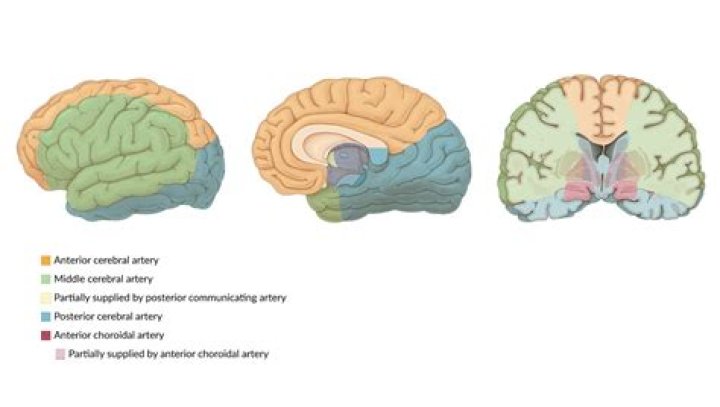
Watershed area is the medical term referring to regions of the body that receive dual blood supply from the most distal branches of two large arteries, such as the splenic flexure of the large intestine.Why is it called watershed TV?
origin of 'watershed' as used about British television. the BBC's Code of Practice on Violence, its new 9.30 p.m. watershed policy, its intention to distinguish those programmes which it thinks unsuitable, and perhaps more important, suitable for children.How do watersheds work?
A watershed is an area of land that drains or “sheds” water into a specific waterbody. Every body of water has a watershed. Watersheds drain rainfall and snowmelt into streams and rivers. These smaller bodies of water flow into larger ones, including lakes, bays, and oceans.How do you use watershed in a sentence?
watershed Sentence Examples- The line of the highest summits and of the watershed ranges is about 30 to 40 m.
- "North of the principal watershed forest trees and general verdure refresh the eye.
- The lake in Peru which is third in size is that of Parinacochas on the coast watershed, near the foot of the snowy peak of Sarasara.