Pressure-vacuum valve (P/V valve) A valve which keeps the tank over pressure or under pressure within approved, limits. In the event of over-pressure, two release valves open to ensure that venting is upwards and at high velocity, to avoid concentrations of gas on deck.Considering this, how does a vacuum valve work?
How a Vacuum Valve Works. A vacuum is created by a vacuum valve by controlling the intake of air on one end of the valve and closing it off from being released elsewhere. The pressure creates a vacuum inside the valve and it provides a suction action.
Similarly, what is the difference between PV valve and PV breaker? PV valve setting for large oil tankers is to maintain between 0.07bar to 0.20bar . High pressure rise due to constantantly fast rate loading cause rapid rise due to an explosion pv valve is not designed for this . So pv breaker is used where abnormal rise of pressure in cargo tank, when loaded beyond specific rate .
Similarly, what is a PV valve?
A pressure vacuum (PV) valve is designed to release and/or let in pressure to protect the cargo tank from exploding or imploding due to too high or too low pressure in the tank.
What is a pressure reducing valve used for?
A pressure-reducing valve is normally an open, 2-way valve that allows system pressure fluid to flow through it until a set pressure is reached downstream. It then shifts to throttle flow into the branch. The forces exerted by pressure downstream actuates a pressure-reducing valve.
What does a vacuum relief valve do?
Vacuum relief valves are used in water heater/tank applications to automatically allow air to enter into the piping system to prevent vacuum conditions that could siphon the water from the system and damage water heater/tank equipment.How do you test a vacuum check valve?
Vacuum Inlet Check Valve Test: To test the vacuum check valve, disconnect the vacuum supply hose from the intake manifold or vacuum pump, and blow into the hose. If air passes through the valve into the booster, the check valve is defective and should be replaced.What is the difference between a relief valve and a safety valve?
The basic difference between a safety & relief valve: A relief valve relieves the pressure by relieving the fluid back into the system, to the low pressure side - eg. the relief valves of a positive displacement pump. A safety valve , on the other hand, relieves the pressure into the atmosphere i.e. out of the system.What is an air vacuum relief valve?
Air Release Valves are used to automatically vent the air that can become trapped in any pipeline conveying fluid. The Air & Vacuum Valve prevents a vacuum from occurring by using a large orifice in the top of the valve to let an adequate amount of air to enter the pipeline.What is vacuum regulator?
A vacuum regulator is a device used to maintain a desired vacuum pressure in a system. There are multiple types of vacuum regulators, but mechanical vacuum regulators discussed here work on a force balance principle.How does an air release valve work?
HOW DO THEY WORK? Air release valves are installed at the highest points in a pipeline where air naturally collects. Air bubbles enter the valve and displace the liquid inside, lowering the liquid level. When the level drops to where it no longer buoys the float, the float drops.Are vacuum breakers necessary?
An external vacuum breaker is required at sillcocks if they don't already have one built in. If a sillcock doesn't have the little mushroom cap, an external vacuum breaker is required. At laundry sink faucets, a vacuum breaker is needed if there are threads present that a garden hose could attach to.What is the vacuum tube used for?
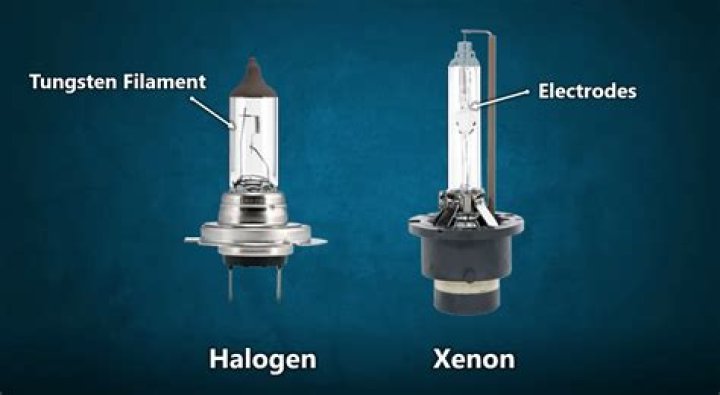
Vacuum tube. Alternatively referred to as an electron tube or valve and first developed by John Ambrose Fleming in 1904. The vacuum tube is a glass tube that has its gas removed, creating a vacuum. Vacuum tubes contain electrodes for controlling electron flow and were used in early computers as a switch or an amplifierWhat is the purpose of a pressure vacuum breaker?
A pressure vacuum breaker (PVB) is a type of backflow prevention device, used to keep non-potable (or contaminated) water from entering the water supply. A PVB is similar to an atmospheric vacuum breaker (AVB), except that the PVB contains a spring-loaded poppet.What is inerting and purging?
Inerting and Purging. Inerting and purging commonly refer to the process of adding an inert gas to a combustible mixture to reduce the concentration of oxygen below the minimum oxygen content (MOC).What is the use of flow control valve?
Control System: 9 Uses for Flow Control Valve. Flow control valves are special fittings designed for use in complex hydraulic and pneumatic systems. It regulates the flow or pressure of the fluid. Control valves usually respond to signals generated by independent devices such as flow meters or temperature gauges.What is inerting purging and gas freeing?
Gas freeing is the process of creating normal atmospheric conditions inside the tank wherein oxygen level is 21%. Purging refers to inserting inert gas in the tank when it is already having less than 8% oxygen to reduce oxygen and/or hydrocarbon volume even further than that.What is IG system?
Inert gas system is the most important integrated system for oil tankers for safe operation of the ship. Inert gas is the gas which contains insufficient oxygen (normally less then 8 %) to suppress combustion of flammable hydrocarbon gases.What is the purpose of deck seal?
The purpose of the deck water seal is to prevent feedback of hydrocarbon gases from the cargo tanks via the inert gas deck main to the engine room and boiler uptake.What is high velocity vent valve?
High velocity vent, also high velocity venting valve. A device to prevent the passage of flame, consisting of a mechanical valve which adjusts the flow opening in accordance with the pressure at the inlet of the valve in such a way that the efflux velocity cannot be less than 30 m/s.Why bunker tanks are not inerted?
IG is not used in bunker tanks because of following reasons, >Washing of cargo tanks on a regular basis is required to remove 'clingages' (residue) adhering to tank bulkheads. > These clingages amount to almost hundreds of tonnes for a typical VLCC thus affecting cargo carrying capacity.What is Deck Water Seal?
Deck Water Seal. In an inert gas system onboard Tanker ships, Deck water seal is the principal barrier. A water seal is fitted which permits inert gas to be delivered to the deck main but prevents any backflow of cargo gas even when the inert gas plant is shut down.