Tertiary Prevention. Primary Prevention - trying to prevent yourself from getting a disease. Secondary Prevention - trying to detect a disease early and prevent it from getting worse. Tertiary Prevention - trying to improve your quality of life and reduce the symptoms of a disease you already have.Keeping this in view, what is a tertiary prevention?
Tertiary Prevention. Tertiary prevention involves the reduction of complications, prevention of further dysfunction, and the reduction of long-term sequelae of disease, including speech, dental, and swallowing problems. From: Early Diagnosis and Treatment of Cancer Series: Head and Neck Cancers, 2010.
Likewise, what are some examples of primary secondary and tertiary prevention? Examples include: legislation and enforcement to ban or control the use of hazardous products (e.g. asbestos) or to mandate safe and healthy practices (e.g. use of seatbelts and bike helmets) education about healthy and safe habits (e.g. eating well, exercising regularly, not smoking)
Beside this, what is an example of tertiary prevention?
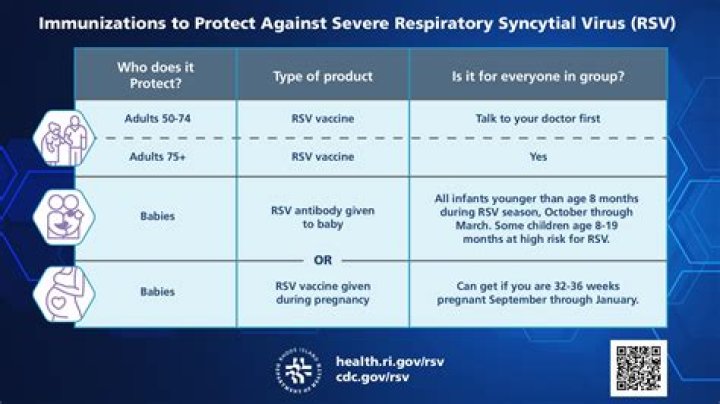
Immunization against infectious disease is a good example. Tertiary prevention involves the rehabilitation of people who have already been affected by a disease, or activities to prevent an established disease from becoming worse.
What are the 3 types of prevention?
The three levels of preventive care—primary, secondary, and tertiary care—are detailed below:
- Primary Prevention. Primary prevention aims to avoid the development of a disease or disability in healthy individuals.
- Secondary Prevention.
- Tertiary Prevention.
What is meant by tertiary prevention?
Tertiary Prevention. Tertiary prevention focuses on people who are already affected by a disease. The goal is to improve quality of life by reducing disability, limiting or delaying complications, and restoring function. This is done by treating the disease and providing rehabilitation.What is the main goal of tertiary intervention?
The goal is to achieve an improved quality of life and lengthen overall life expectancy by preventing complications in the future. Tertiary prevention is the most taxing on the health care system due to the substantial costs of surgery and lifelong management of chronic disease through medication and rehabilitation.What are three levels of prevention?
There are three levels of prevention: - improving the overall health of the population (primary prevention)
- improving (secondary prevention)
- improving treatment and recovery (tertiary prevention).
What are the four levels of prevention?
Levels of the prevention are mainly categorized as primordial, primary, secondary, and tertiary prevention. Over the years, the concept of prevention has undergone significant changes.Why is primary prevention important?
Primary prevention reduces both the incidence and prevalence of a disease, because the focus is on preventing the disease before it develops. This can change the health of the nation for the better. Secondary and tertiary prevention are also significant.Is chemotherapy tertiary prevention?
Following surgery and treatment (radiotherapy and chemotherapy) it may be necessary to encourage patients to change their lifestyle as a tertiary prevention measure with the intention of preventing recurrence and such advice needs to be realistic.What is tertiary health care?
Tertiary care is specialized consultative health care, usually for inpatients and on referral from a primary or secondary health professional, in a facility that has personnel and facilities for advanced medical investigation and treatment, such as a tertiary referral hospital.What is a secondary prevention?
Secondary prevention tries to intervene and hopefully put an end to the disease before it fully develops. Primary prevention is concerned with preventing the onset of a disease, while secondary prevention tries to reduce the number of new or severe cases of a disease.What are some examples of tertiary sources?
Examples of Tertiary Sources: Dictionaries/encyclopedias (may also be secondary), almanacs, fact books, Wikipedia, bibliographies (may also be secondary), directories, guidebooks, manuals, handbooks, and textbooks (may be secondary), indexing and abstracting sources.What are the three levels of health care?
Medical professionals frequently talk about levels of care. They're divided into the categories of primary care, secondary care, tertiary care, and quaternary care.What are the 3 basic strategies for health promotion?
Three basic strategies for health promotion Political, economic, social, cultural, environmental, behavioural and biological factors can all favour or harm health. Health promotion aims to make these conditions favourable, through advocacy for health.What is primary crime prevention?
Primary prevention focuses on social and situational factors. Situational prevention addresses the environment (for example, the design of buildings and landscapes, and the products we purchase). Secondary crime prevention seeks to change people, typically those at high risk of embarking on a criminal career.What is disease prevention?
Disease prevention. Disease prevention, understood as specific, population-based and individual-based interventions for primary and secondary (early detection) prevention, aiming to minimize the burden of diseases and associated risk factors.What is primary health promotion?
Health promotion across all stages of wellness and disease. Primary prevention aims to limit the incidence of disease and disability in the population. It does this by eliminating or reducing factors that reduce good health, and promoting factors that are protective of health.What is tertiary prevention quizlet?
Tertiary Prevention. -Long-term healthcare. -Intervention begins once disease is obvious. -Aim is to interrupt the course of the disease, reduce the amount of disability that might occur, and begin rehabilitation. -Adjusts to lifestyle changes due to illness.Is TB primary secondary or tertiary?
Primary tuberculosis: seen as an initial infection, usually in children. In nearly all cases, these granulomas resolve and there is no further spread of the infection. Secondary tuberculosis: seen mostly in adults as a reactivation of previous infection (or reinfection), particularly when health status declines.Is asthma a primary secondary or tertiary disease?
As such, primary prevention targets reductions in asthma incidence; secondary prevention is the mitigation of established disease and involves disease detection, management, and control; and tertiary prevention is the reduction of complications caused by severe disease.